
FEATURED CASE | ENGINEERING EVIDENCE FILE
Nuclear Plant Cooling-Water Health Monitoring
Move risk identification upstream through mechanism-based simulation to improve cooling-water resilience and emergency certainty.
Related solution · Intelligent equipment operations- Correlation Baseline
- Monitoring history and trends
- Metric Definition
- Trend · anomaly · warning closure
The engineering challenge
Cooling-water safety systems emphasize hardware layers but lack predictive simulation, leaving risk identification and response too late.
How the engineering work changes
Limited predictive simulation
Combine monitoring and physics to assess risks earlier
Late links between detection and response
Use warning records and graded advice for response review
01 / Engineering outcome
Combine condition trends and risk tiers to inform warning review and graded response.
- Evidence and materials
- Continuous monitoring records, historical trends, and agreed risk thresholds form the baseline.
- Applicability
- For cooling-water systems with continuous monitoring, defined risk objects, and response rules
Reusable engineering outputs
- Multi-source monitoring records
- Biological trend prediction
- Tiered response recommendations
Representative Engineering Evidence
Evidence and Validation Standard
Correlation Baseline · Metric Definition
- Correlation Baseline
- Continuous monitoring records, historical trends, and agreed risk thresholds form the baseline.
- Metric Definition
- Trend deviation, anomaly identification, warning timeliness, and response closure
- Validation Method
- Trend back-testing, risk-tier review, and warning-response records are checked together.
- Disclosure and Confidentiality
- The customer, site location, and sensitive operating data remain private; the method structure and evidence types are disclosed.
Implementation and reuse conditions
Solution Path
Condition sensing → Operations decision
- Monitoring records
Connect operating information
- Risk assessment
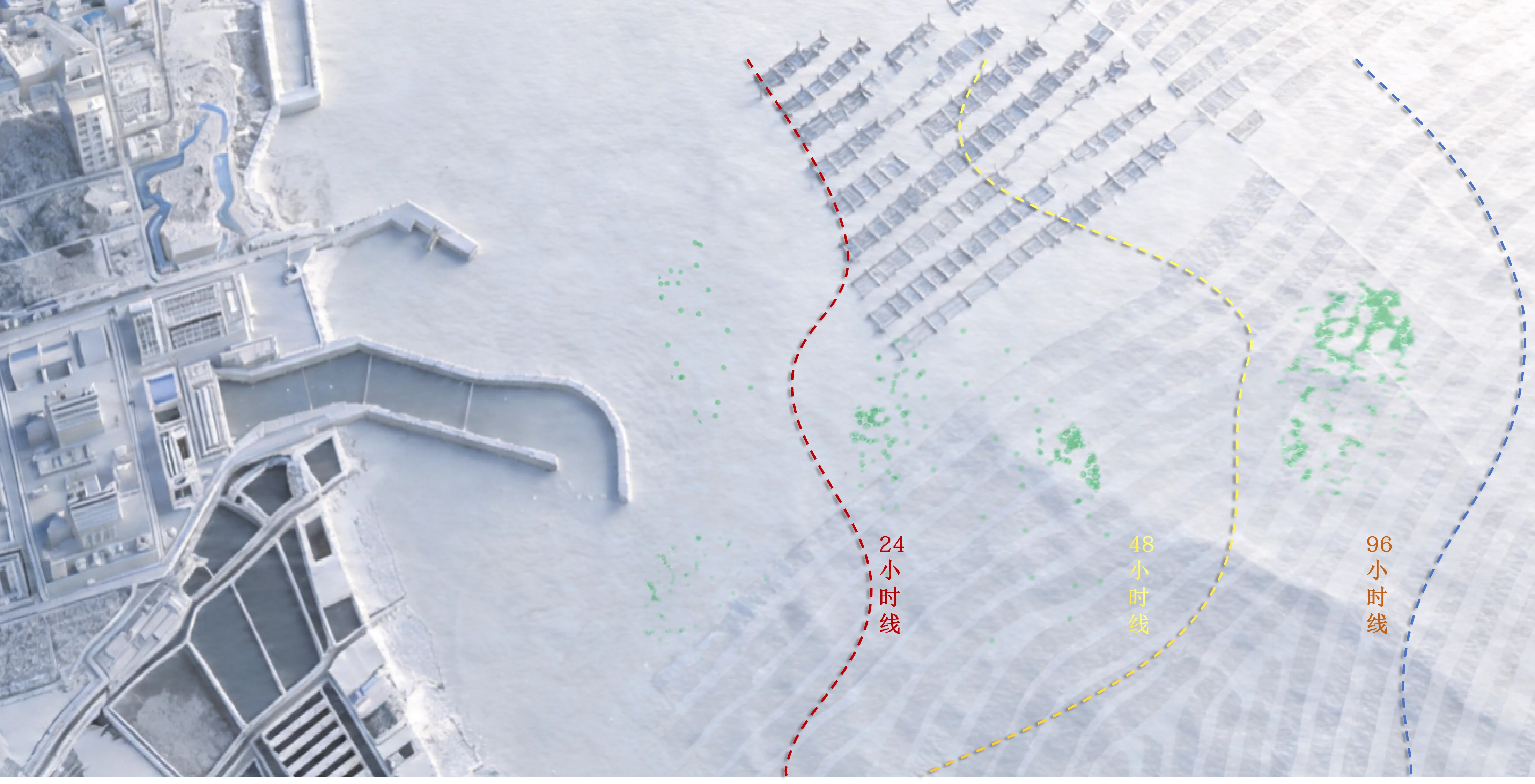
Combine trends and physics
- Graded response
Support action and review
Conditions for further use
For cooling-water systems with continuous monitoring, defined risk objects, and response rules
- Inputs for another use
- Cooling-water risks, monitoring scope and response rules
- Revalidation needed
- Check models, criteria and applicability again when the object, conditions or codes change.
Engineering evidence
- Multi-source monitoring records
- Biological trend prediction
- Anomaly alerts
- Tiered response recommendations